



Product Usage:
This PRODUCT IS INTENDED AS A RESEARCH CHEMICAL ONLY.
This designation allows the use of research chemicals strictly for in vitro testing and
laboratory experimentation only. All product information available on this website is for
educational purposes only. Bodily introduction of any kind into humans or animals is
strictly forbidden by law. This product should only be handled by licensed, qualified
professionals. This product is not a drug, food, or cosmetic and may not be misbranded,
misused or mislabeled as a drug, food or cosmetic.


Methylene Blue 20mg x 100ct
$200.00
Summary Description: Methylene blue is a synthetic phenothiazine derivative with a broad spectrum of uses in research and medicine, including as a redox-active dye, antidote, and pharmacological agent. In addition to its classic roles in the treatment of methemoglobinemia, distributive shock, and as a surgical dye, recent research has demonstrated potent anti-aging and neuroprotective properties. Methylene blue improves mitochondrial function, reduces oxidative stress, and delays cellular senescence by acting as an alternative electron carrier in the mitochondrial respiratory chain. It has shown efficacy in enhancing cognition, supporting wound healing, delaying skin aging, and protecting neural tissue from degeneration and injury. This versatile compound is now actively investigated for its potential to combat age-related diseases, neurodegeneration, and to support human longevity1-4.
22 in stock
Description
Compound Name: Methylene Blue
Synonyms: Methylthioninium chloride, Basic blue 9, Urolene Blue, Solent blue 8
CAS Number: 61-73-4
Molecular Formula: C16H18CIN3S, C16H18N3S.Cl
Molecular Weight: ~319.85 g/mol
Structure: Organic chloride salt
Peptide Sequence: N/A; Not a peptide
Chemical Structure:
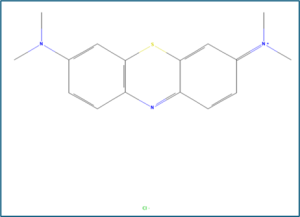
Source: PubChem
Mechanism of Action: Methylene blue primarily acts as a redox agent and selective inhibitor in the nitric oxide–cyclic guanosine monophosphate (NO–cGMP) pathway by directly inhibiting soluble guanylate cyclase and nitric oxide synthase, resulting in reduced vasodilation. Additionally, it participates in mitochondrial electron transfer, supports cellular respiration, and interacts with monoamine oxidase A as an inhibitor1-4.
Biological Activity: Methylene blue exhibits potent biological activity as both a redox agent and mitochondrial enhancer, promoting increased cellular respiration and decreased oxidative stress. It has demonstrated anti-aging effects by delaying cellular senescence, enhancing skin extracellular matrix components, and stimulating wound healing. Additionally, methylene blue provides neuroprotection by supporting mitochondrial function, reducing neuronal oxidative damage, and improving cognitive performance in experimental models1-4.
Storage: Store at room temperature, protected from light and moisture.
Drug Categories: Antidote, Antimicrobial, Antimalarial, Vasopressor adjunct, Imaging agent, Antidepressant, Photodynamic therapy sensitizer
Additional Notes: Methylene blue can cause serotonin toxicity at higher doses and precipitate hemolytic anemia in patients with G6PD deficiency. Its pronounced blue color can stain biological tissues and fluids.
Summary Table:
| Property | Description |
| CAS Number | 61-73-4 |
| Molecular Formula | C16H18CIN3S |
| Molecular Weight (MW) | ~319.85 g/mol |
| Mechanism of Action | Redox agent; NO–cGMP pathway inhibitor; mitochondrial electron carrier; MAO-A inhibitor |
| Biological Activity | Reducing agent, vasopressor adjunct, neuroprotective, antimicrobial, photodynamic sensitizer, mitochondrial electron chain (ECT) modulator |
| Supplied Form | Solid dye; injectable solution; oral tablets |
| Purity | ≥98% (HPLC) |
| Storage | Room temperature; protect from light and moisture |
| Drug Categories | Antidote, Antimalarial, Vasopressor adjunct, Antimicrobial, Diagnostic, Anti-aging compound |
| Additional Notes | May cause serotonin syndrome or hemolysis in predisposed individuals; causes blue discoloration in fluids/tissues |
Disclaimer: For Research Use Only. Not intended for human or veterinary use. This compound is supplied solely for laboratory and R&D purposes.
Detailed Product Description
Methylene blue is a multifaceted small molecule recognized for its historic clinical utility as a redox dye and medicinal antidote, as well as for its expanding therapeutic profile in modern biomedical research. At the cellular level, methylene blue enhances mitochondrial respiration by cycling electrons and increasing the efficiency of complex IV, thereby increasing ATP production and reducing the accumulation of reactive oxygen species (ROS)1. These redox-modulating effects account for its robust anti-aging activity, including the delay of cellular senescence in human fibroblasts, improved cellular proliferation, upregulation of collagen and elastin in skin, and enhanced protection against environmental stressors and age-related decline2-3. Increasing scientific attention has focused on methylene blue’s neuroprotective properties. It mitigates neurodegeneration by supporting mitochondrial energy metabolism, reducing oxidative damage, inhibiting tau aggregation linked to Alzheimer’s disease, and promoting neurogenesis and cognitive function in experimental models. Clinical and preclinical research further support its use in attenuating brain injury, enhancing wound healing, and improving age-associated cognitive performance. Methylene blue thus emerges as a unique compound bridging antidote, anti-aging agent, and neuroprotective therapeutic, with applications ranging from dermatology and regenerative medicine to neuroscience1-3.
Research Highlights
- Anti-aging and Skin Longevity: Research demonstrates that methylene blue delays cellular senescence, stimulates fibroblast proliferation, reduces oxidative stress, upregulates Nrf2 and antioxidant genes, improves skin hydration and thickness, increases elastin and collagen production, and enhances wound healing, supporting its use as a promising anti-aging agent for skin care1.
- Neuroprotective Effects: Acts as a mitochondrial electron carrier, supports complex IV activity, reduces oxidative damage, promotes neurogenesis, inhibits tau aggregation, and improves cognitive function; these properties are under investigation for prevention and treatment of Alzheimer’s, Parkinson’s, stroke, and traumatic brain injury2,4.
- Mitochondrial Function and Cellular Senescence: Methylene blue enhances mitochondrial respiration, increases oxygen consumption, boosts heme synthesis, and upregulates mitochondrial antioxidant enzymes, thereby delaying senescence in human cells and mitigating age-related mitochondrial decline3.
- Treatment of Cardiovascular Collapse and Shock: Featured as an adjunct for distributive shock in septic, anaphylactic, and drug-induced scenarios, methylene blue increases blood pressure, diminishes vasopressor requirements, and improves hemodynamic stability in refractory cases1.
Mechanism of Action
NO-cGMP Pathway Inhibition
- Inhibits soluble guanylate cyclase, reducing cGMP production and reversing refractory vasodilation in shock (sepsis, anaphylaxis, drug-induced)1-3.
- Suppresses nitric oxide synthase activity, limiting vasodilatory cascades, and stabilizes blood pressure by increasing systemic vascular resistance2.
Mitochondrial Electron Transport Chain (ETC) Modulation
- Acts as an alternative electron carrier in the mitochondrial ETC, accepting electrons from NADH at complex I and directly transferring them to cytochrome c, effectively bypassing blockages in complexes I and III. This process increases the activity of complex IV, enhances ATP production, and significantly reduces the generation of reactive oxygen species (ROS) by preventing electron leakage, thereby supporting cellular energy metabolism and limiting oxidative damage2.
Monoamine Oxidase A (MAO-A) Inhibition
- Inhibits MAO-A, raising levels of serotonergic neurotransmitters; clinically relevant for potential drug interactions and risk of serotonin toxicity3.
Photodynamic Activation
- Upon NIR light exposure, acts as a photosensitizer, generating cytotoxic reactive oxygen species (ROS) that kill microbial and tumor cells3,4.
Pharmacokinetic Profile
- Route of Administration: oral, topical
- Dosing Frequency: Varies by indication and route
- Half-Life: ~5-20 hours (route dependent, shorter for intravenous)
Formulation & Handling
- Store in tightly sealed containers, protected from light
- Use only for authorized research or laboratory applications
Selected Clinical Trial Activity
| Trial ID | Title | Phase | Study Type | Sponsor |
| NCT02303886 | Methylene Blue Intravenously and Chronic Neuropathic Pain | N/A | Interventional | Uppsala University |
| NCT03469284 | MOM’s PAIN (Methylene Blue for Oral Mucositis’ PAIN) | 2 | Interventional | M.D. Anderson Cancer Center |
| NCT03395223 | MEthylene Blue In Patients With Acquired Methemoglobinemia (MEBIPAM) | 4 | Interventional | Provepharm SAS |
| NCT06887036 | Methylene Blue Treatment of Chronic Hepatitis B Virus Infection (MB_HBV) | 2 | Interventional | Andreas Cerny |
References
1Lo, J. C. Y., Pickering, G. & Chang, A. A Review of Methylene Blue Treatment for Cardiovascular Collapse. J. Med. Toxicol. 9, 671–677 (2013).
2Atamna, H. et al. Methylene blue delays cellular senescence and enhances key mitochondrial biochemical pathways. FASEB J. 22, 703–712 (2008).
3Tucker, D., Lu, Y. & Zhang, Q. From Mitochondrial Function to Neuroprotection—an Emerging Role for Methylene Blue. Mol. Neurobiol. 55, 5137–5153 (2018).
4Xiong, Z. M. et al. Anti-Aging Potentials of Methylene Blue for Human Skin Longevity. Sci. Rep. 7, 2475 (2017).
Additional information
| Weight | 10 g |
|---|
Shipping & Delivery
Related products
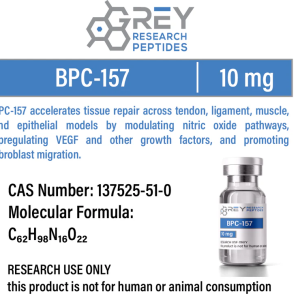
BPC-157 10mg
Summary Description: BPC-157 is a synthetic pentadecapeptide corresponding to a partial sequence of a protein found in human gastric juice. In preclinical models, it has demonstrated pro-angiogenic, cytoprotective, and anti-inflammatory properties1-3. BPC-157 accelerates tissue repair across tendon, ligament, muscle, and epithelial models by modulating nitric oxide pathways, upregulating VEGF and other growth factors, and promoting fibroblast migration4. Its chemical stability in gastric environments and efficacy across multiple administration routes make it a candidate for further investigation in regenerative pharmacology2.
Products will arrive in a lyophilized (powder) form for maximum stability

BPC-157/TB-500 10+10mg
Summary Description: BPC-157 and TB-500 is an investigational blend of two well-studied peptides known for their regenerative and cytoprotective properties. BPC-157, derived from a gastric protein, is recognized for promoting angiogenesis, cellular migration, and tissue healing across various organ systems1,2. TB-500, a synthetic fragment of thymosin beta-4, enhances cellular motility, reduces inflammation, and stimulates new blood vessel formation3,4. Together, this synergistic blend is being explored in preclinical research for its ability to accelerate wound healing, mitigate inflammation, and enhance recovery in models of soft tissue injury, nerve damage, and musculoskeletal trauma. While individually effective, the co-administration of BPC-157 and TB-500 may produce more robust regenerative outcomes by targeting both the structural and signaling components of tissue repair.
Products will arrive in a lyophilized (powder) form for maximum stability

DSIP 10mg
Summary Description: Delta Sleep-Inducing Peptide (DSIP) is a naturally occurring peptide known for its ability to support deep, restorative sleep and help balance the body’s stress and hormonal responses. Originally discovered in the 1970s from the blood of sleeping animals, DSIP has since been studied for its potential to promote slow-wave (deep) sleep, calm the nervous system, and support recovery. Studies suggest that DSIP works by helping the brain regulate its natural sleep rhythms and hormone balance, making it a promising peptide for overall rest, resilience, and well-being1-4.
Products will arrive in a lyophilized (powder) form for maximum stability
MOTS-C 10mg
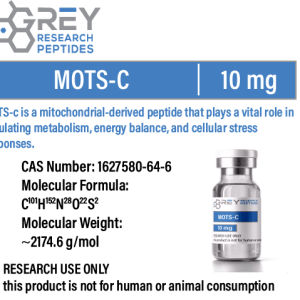
Summary Description: MOTS-c (Mitochondrial ORF of the 12S rRNA type c) is a mitochondrial-derived peptide that plays a vital role in regulating metabolism, energy balance, and cellular stress responses. Discovered in 2015, MOTS-c functions as a signaling molecule that helps the body respond to metabolic stress by improving glucose uptake, enhancing insulin sensitivity, and promoting fat metabolism. It acts as a mitochondrial messenger that communicates with the nucleus to maintain cellular homeostasis, making it a promising target for research on metabolic health, exercise performance, and healthy aging1-4.
Products will arrive in a lyophilized (powder) form for maximum stability
NAD+ 500mg
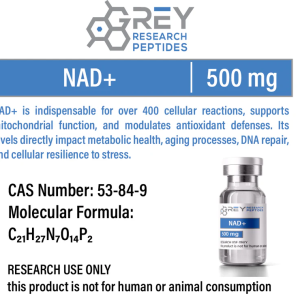
Summary Description: Nicotinamide adenine dinucleotide (NAD⁺) is a ubiquitous pyridine nucleotide coenzyme present in all living cells. It serves critical roles in cellular redox reactions for energy metabolism and acts as an essential substrate for key signaling enzymes regulating DNA repair, gene expression, and cell signaling. Cellular NAD⁺ levels influence metabolic health, stress response, and tissue regeneration1,3.
Products will arrive in a lyophilized (powder) form for maximum stability

Pinealon 20mg
Summary Description: Pinealon is a synthetic tripeptide developed as a neuroprotective and geroprotective agent. It exerts potent antioxidant effects, modulates cellular signaling, and supports cognitive function, cell viability, and adaptation to stress. Pinealon has been extensively studied in animal models for its efficacy in reducing oxidative stress, supporting learning and memory, and modulating key brain neurotransmitter and receptor systems1-4.
Products will arrive in a lyophilized (powder) form for maximum stability
SLU-PP-332 250mcg x 100ct
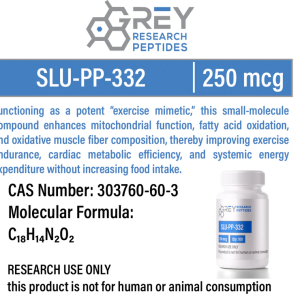
Summary Description: SLU-PP-332 is a synthetic pan estrogen receptor-related receptor (ERRα/β/γ) agonist optimized for high potency toward ERRα and engineered with favorable pharmacokinetics for in vivo research. Functioning as a potent “exercise mimetic,” this small-molecule compound enhances mitochondrial function, fatty acid oxidation, and oxidative muscle fiber composition, thereby improving exercise endurance, cardiac metabolic efficiency, and systemic energy expenditure without increasing food intake1-4.

Testagen 20mg
Summary Description: Testagen is a synthetic, short peptide bioregulator that targets the regulation and restoration of testicular and endocrine system functions. Developed at the St. Petersburg Institute of Bioregulation and Gerontology, it has been shown in research models to stimulate protein synthesis in testicular cells, modulate gene expression linked to steroidogenesis, influence stem cell differentiation into functional Leydig-lineage cells, and counteract age-related involution of reproductive tissues. By binding to specific DNA sequences and protecting promoter regions from methylation, Testagen helps to maintain transcriptional activity in genes involved in hormone synthesis, with potential implications for sustaining optimal testosterone production under physiological stress or aging conditions1-3.